
Tony McDade
Phenology is phenomenal!
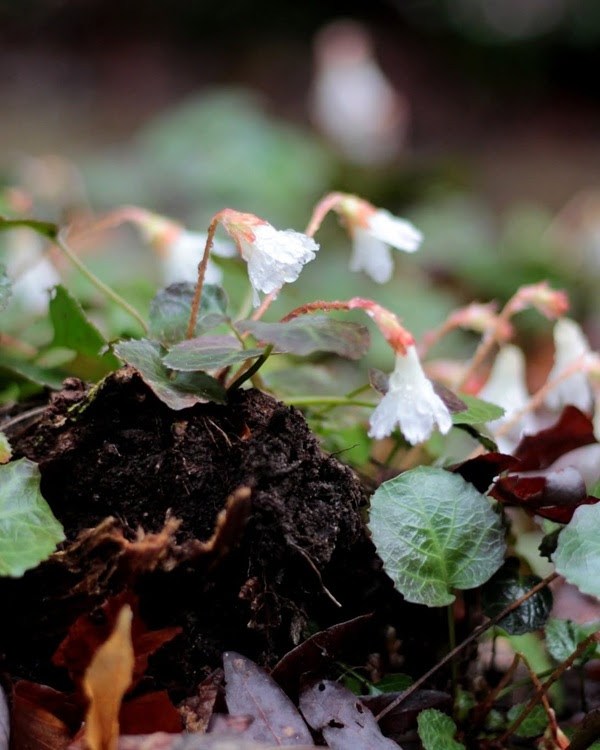
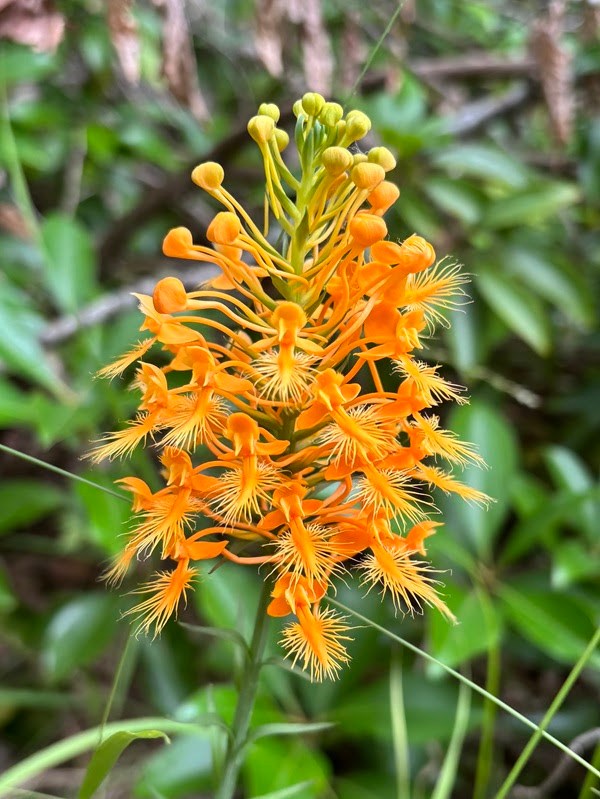
Phenology is a funny thing. It’s that special sense in nature that while things are changing, some things remain constant as well. Some people call it “Nature’s calendar,” a kind of botanical clock when rooting and blooming and seeding occur in perceptible patterns that vary according to weather, seasons, and climate. Native plants are the paragons of phenology. They know when and where best to grow, how to propagate and adapt to their ever-changing environments, who to hang out with so that the entire ecosystem flourishes. The Jocassee Gorges is blessed with a variety of native plant species, ranging from the commonplace profusion of Christmas ferns to the secretive Pale Yellow Trillium growing side by side in remote rich coves. Each endemic is beautiful in its own way, and each flourishes in its time: Oconee bells are treasured harbingers of spring; the lush laurels and rhodos give way to the summer sourwoods; and then the autumnesque orchids appear in furtive glades and secluded coves, brilliant and promising. Protecting them all is our opportunity, our challenge, and our calling as people who love the Jocassee Gorges. Fortunately, the state of SC is helping out.. The SC General Assembly recently passed a concurrent resolution recognizing the “essential value of native plants to our state’s environment, wildlife, history, culture, and economy.” Kudos! The plants feel the seasons, adapting to fluctuating temperatures and the ebb and flow of rainfall even as drought parches our beloved temporal rainforest. They tell the story of how each season is special, both for the newness it brings but also for the memories it cherishes and the treasures it holds for the future. The seasons of Jocassee come and go, and the native plants welcome each as a friend—and invite us to do the same. ~ Tony McDade, JLT Naturalist Guide